Incremental encoders - for speed feedback or relative positioning
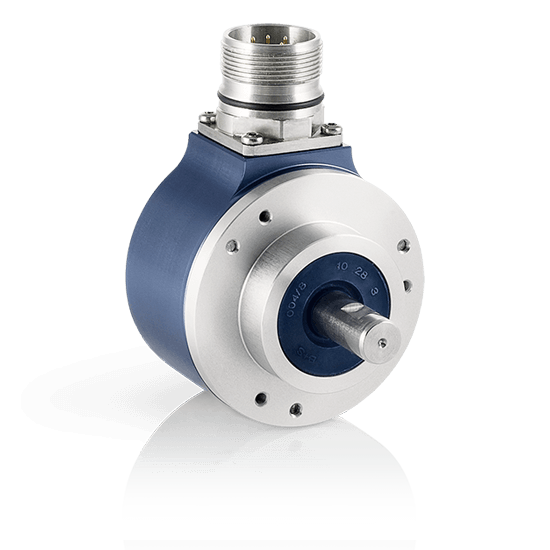
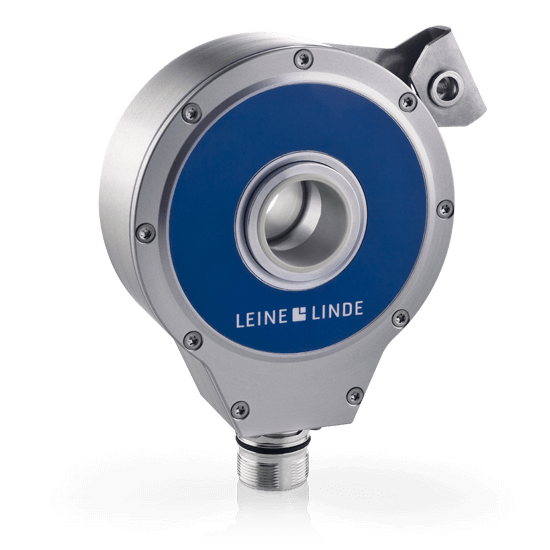
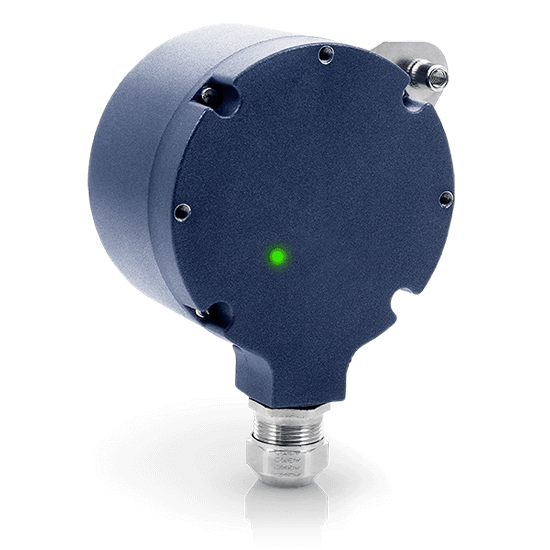
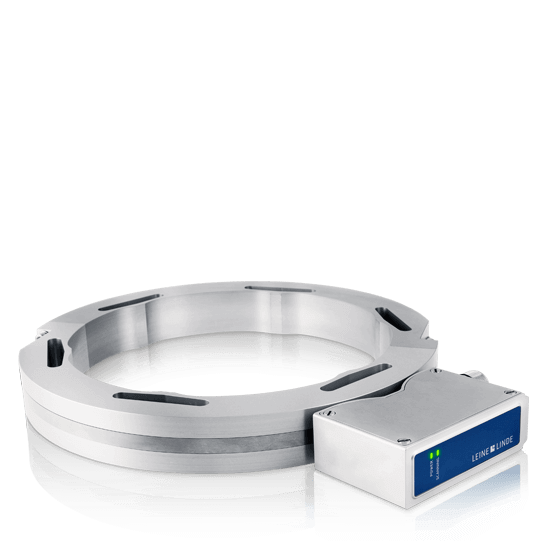
An incremental encoder generates a series of pulses in response to a linear or rotary motion. These pulses can be used to measure speed or be fed to a PLC (Programable Logic Controller) or counter to keep track of a relative position. The output signal of an incremental encoder is normally an electrical square wave signal with a certain frequency related to the speed of the encoder shaft.
Product range incremental encoders








FAQ incremental encoders
-
An incremental encoder generates electrical pulses as a shaft rotates. These pulses are used to calculate speed, direction, and relative position in automation and motion control systems.
-
Incremental encoders are a reliable choice for applications that require speed feedback or relative positioning. They are commonly used in motors, conveyors, packaging equipment, and industrial automation systems.
-
An incremental encoder measures movement relative to a starting point, while an absolute encoder provides a unique position value for every shaft position. Absolute encoders can provide position immediately after a power interruption.